Have you visited TBM Horror lately? Well, it’s a phenomenal platform created and hosted by a dynamic and passionate creative force, lover of all things horror 💀 and metal 🤘, owner of Disturbing Drawings (you MUST check out her artwork), Mar Garcia!
Mar kindly had me over in her space for a blether, shared on TBM’s YouTube channel.
Scoot over to TBM Horror to check out great (regularly updated) content on Horror in creative industries, from articles, books, movies, bands, video games and art!
If you fancy checking out my natter with Mar, the YouTube links are here:
A ghost waltzed through me When I slept deathly deep Slumber disrupted Taking advantage As he did with my Friendship, my loyalty My trust, my body
A ghost waltzed through me Like I was his to enter No choice but surrender And I welcomed his touch Through disgust Distaste, mistrust Did I lay down the mat?
A ghost waltzed through me Did I invite him inside? An open window, door ajar In a tongue unknown A serenade degrade Billows clouding smoke Butt of some joke
A revisit to what’s on the cards for release and writing this year. First up, is the imminent release of my debut horror novella, Asylum Daughter; this psychological horror hits the shelves on May 8th! The date is significant to the story — I wonder if any of my readers will spot it!
See what one early reviewer had to say about the book over on Erica Robyn Reads.
I was also invited to interview with Candace Nola, mother of Uncomfortably Dark for her 2022 Women in Horror feature. We chat about writing, the horror industry, and I share a little insight about influences of the upcoming release. For those who want to have a gander at the chat, head over to Uncomfortably Dark.
Cover for Natasha Sinclair’s ‘Asylum Daughter’. Cover art by Don Noble, Rooster Republic Press.
Next up, I’m working on a collaboration with another fierce horror author, my sister from across the pond, the formidable Ruthann Jagge! This is special to me as we have shared many pages within the indie horror scene, and we seem to have similar draws to particular elements! When I read her debut novella, The New Girls’ Patient, I could’ve been blown over by a feather with the striking similarities in some of her delightful, diabolical plotting! Have you read it yet?
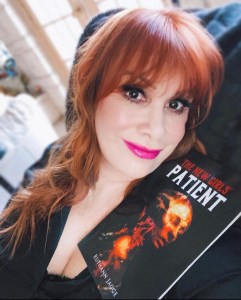
Ruthann Jagge, author of ‘The New Girls’ Patient’. Photo from author’s Instagram @ruthannjaggeauthor
Our blend of horror will be a magical one for readers! I would love to share a teaser, but my lips are sealed for the time being — maybe come Summer, I’ll spray some of that sweet, irresistible elixir your way. I’ve got the feeling that when our novel is done, we’ll be cooking up something else!
Another compilation of horror shorts will launch later this year. Some stories have been published, and some will be brand new to print! Given my chosen title, Incesticide (yes, the title is a homage to a particular grunge band), I’m aiming for the 14th December release! And, Yes, like the title and cover, the date continues the ‘nod’ — 30 years since that album of B-sides. I will include at least one short inspired by one of the album tracks — which one would you like to see? Feel free to drop me a message with your vote!
Cover for Natasha Sinclair’s ‘Incesticide’. Cover art by Natasha Sinclair, ‘Clan Witch’.
I am publishing an exquisite poetry collection, written by Rafik Romdhani, The Crash of Verses. The collection is up for preorder now and releases July 22nd! It’s no secret that I was reluctant to have this much responsibility for another writer’s work, but Rafik is a persuasive wordsmith! And I’m honoured to support another writer in sharing his talent with the world! I’ve read a couple of his pieces over on my YouTube channel. If you fancy getting a feel for his work (which I encourage you to do!), please hop on over to check those out. And, of course, preorder his book!
Cover wrap for Rafik Romdhani’s ‘A Crash of Verses’. Designed by Natasha Sinclair, ‘Clan Witch’.
I have another collaboration scheduled later in the year, with another force of indie horror energy, this one much closer to home, with KJK Publishing’s gaffer, author of Halloween Land (another novella you horror delinquents should read!), Kevin J. Kennedy — more on that when work is underway!
Kevin J. Kennedy, owner of KJK Publishing. Photo from author’s Instagram @kevinjkennedyauthor
Bear with me. This will be a bit of a concoction — I am, at this time, rather raw, discombobulated and emotionally disfigured. I am feeling uncomfortably challenged. Feel free to look away from the car crash while you have time.
You staying?
Don’t say I didn’t warn you.
Let’s dive in.
Admittedly I have not done as much writing as I had hoped by this point in the year. January felt like I was playing catch-up to wrap up a few things from 2021 before my degree course started and I could channel writing energy into larger projects. I have also been heavily working on my novella release — finalising the manuscript(s), getting bonus content nailed, finishing covers, developing marketing materials, contacting reviewers, supplying ARC’s and all the other ‘back-office’ that goes into putting out a quality book. As I’ve shared before, so much unseen work goes into getting a book into the hands of readers, writing and editing is only a part of the machine. All in all, Asylum Daughter is feeling pretty pleased with herself. I’m proud to share this debut horror novella with readers and delighted with the positive feedback from early readers. It takes the edge of the nerves (a smidgen). And, of course, working with Word Refinery clients on their projects.
As part of February’s internationally celebrated ‘Women In Horror Month’, I was invited to interview with D&T Publishing. You can read the feature here.
I also participated in a panel for a podcast series about ‘Hidden Voices in Horror‘. The focus of the episode was on Mental Health in Horror. I had some technical hitches (as if my nerves weren’t already showing)! But the wonderful and inspiring creator and host was professional and understanding. It didn’t hold back the conversation between the host, myself, and the other awesome panellists of independent horror writers who stepped up to the plate. When I can do so, I will share more specific details when this airs and where to access it. I’m not in the position to share much yet. This panel was one in which I was nervous about taking part because of my mental health issues and reservations about talking so publicly about those, but I was keen to be involved because it’s a critical discussion that should be far less hidden.
‘Mental health’ can be a buzz phrase, along with the interlinked ‘wellbeing’ and other such sentiments. I always worry about the lack of substance behind so-called ‘awareness’ and ‘support’. My experience has proven such reservations to be true. As a writer, mental health issues come up regularly in my fiction and non-fiction work. Honest discussions without shame and judgment do not happen enough to break the discomfort of getting to the nitty-gritty about ill-mental health. I feel a profound responsibility, as a mother too, to strip any stigma from ‘real talk’. So here I am going to share some of that with you.
I’m going to ‘talk’ and feel free if the notion takes you to do the same.
I’m ‘coming out’. Emerging from between the lines, out of my shoddy poetic disguise. For as long as I can remember, I have struggled with mental-ill-health — yes, childhood, (very) pre-adolescence. I actively covered it up and felt shame. The shame was most definitely linked to nurture and not nature. However, it has felt like nature in parts of my life due to its early, deep infusion. I like to thank some of that to those good old Christian’ values’ washed in through family and catholic schooling and, in a small part, my nature to consider things literally, which was misunderstood and shut down my voice from early on. The hypocrisy in those organised religious roots was (and is) blaring. Not the best of foundations. That’s my perspective anyway.
I secretly self-harmed (pre-teen — no, it was not cool, and it was not for attention). I hated myself. I had zero self-esteem, I struggled with friendships and social dynamics. I was bullied — inside and outside of the home. Every day was hard. And as a child, when I struggled to sleep, I begged inside my head to whatever’ higher power’ there may be to let me not wake up. I wanted to cease existing. I felt my existence was a mistake. I longed to die. I was a pre-adolescent child. I was entirely alone in my deep depression. Children often get ‘fobbed off’, talked down too — how could a child have such complex feelings? This was the ’80s and ’90s; maybe I should cut parents of that time some slack for that?
On the outside, attitudes towards the complexity of the human experience of all ages may have evolved. But I fear (as a mother) that it is not enough. I left school and home sharp to escape my terrible relationship with my mother, which fed into my ever-dwindling mental health state. I had to escape. I was ridiculed, blamed, threatened, the emotional punchbag. I had no choice but to get a job — any job, and leave. It wasn’t until I was in my late teens and had moved out from the parental home that I sought professional support for my ill-mental health (too ashamed to try to deal with it while I was there when I had little privacy. I was desperately suicidal and had planned it down to the finer details when I sought that help.
It was rough.
I didn’t want to take drugs.
I didn’t want to ‘talk’ to a therapist (I’m not one of those Americans on TV?!) I’m British, even harsher – Scottish! We don’t talk about those things.
I didn’t want to admit my shame.
My weaknesses.
I didn’t want to be seen.
I was desperate.
In short, and let’s be honest, these things are never short in ‘real conversation’ terms — I have Major Depressive Disorder. I’ve also struggled with Post Natal Depression (much later than one would expect) and interlinked Post Traumatic Stress Disorder. Of course, mothers who have a history of depression are more at risk of PND. That’s another thing with mental health. Women are often not heard — ‘hormones’ takes much of blame, which does little to support solutions — for many folk with mental health problems beyond that. My lifelong depression has undeniably manifested in physical ways; insomnia, chronic headaches, chronic pain, chronic tiredness, anxiety and panic attacks (which can be separate — being in many ways depression’s opposite) and nausea. Depression does that; it’s an all-consuming beast.
Solutions?
I’ve gone through therapies, tried different medication regimes, mindfulness techniques. I’ve written and utilised art and nature as my therapies for as far back as I could pick up a pencil and make shapes with it and walk on my own two feet. I’m insanely self-aware. I will never be without this illness; I have accepted that and understand when a spiral is snaking in and darkening my days. I’ve been spiralling lately, though it’s easy for me to pinpoint the whys on this one — when triggers are circumstantial, it’s easy. I have coping mechanisms in place — boundaries where they need to be for my survival. I know what helps (sometimes) and (with certainty) what doesn’t. I still struggle. I still require prescription medication. Depression and ‘recovery’ is a selfish illness in many ways. Another thing that brought me ‘shame’ — I was never ‘allowed’ to be ‘selfish’.
This is still uncomfortable.
Is it the same for you?
So, I’m a writer, and such related posts are the prime focus in this space — why am I droning on about my mental health here?
Well, I was inspired by the candidness of my fellow writers in the horror community (which is bloody fantastic) on the podcast recorded recently. And I’ll share a little of how the subject links with some of my published work. A debatable move, and trust me, I am an over-thinker of everything. To compartmentalise or not? Eeeeek! To try to maintain a ‘brand image’ or be authentic and real?
Well, fuck it — this is straight-up raw, and you chose to keep reading.
The first book that I published in 2018, my mental health was a dominant feature during a specific window of time when one of my daughters was born and fighting to live in neonatal intensive care.
That experience taught me more than I ever imagined. It taught me how resilient and strong I am, through family estrangement on top of baby loss and having one (then another) in NICU and going through isolation and a troubled, strained relationship. I also (alone) dealt with the loss of my grandmother. I love her deeply and couldn’t physically be with her due to my circumstances, having a baby in another hospital. Winter has been heavy for so many years now.
So many highly underestimate the HSP; I, like many, am very thick-skinned. Sensitivity is not necessarily weakness — a common misconception. Nor is my boundaries a ‘cold heart’. My heart is guarded for my protection. The cold reputation couldn’t be further from the truth.
I learned that to be the best mother to my children, I had to respect my boundaries (finally) and provide an example to them as they grow. Part of parenting is sorting out your own shit so you can be right for them. Brushing real stuff under the rug wasn’t a path that I was willing to fall in line with — not good enough for my children.
My honesty, protecting my boundaries has alienated me from the majority of my family. How dare I right?
Trust me when I say my decisions as far as my family go were the last line when all else had been exhausted. Nothing was changing. I had no choice but to draw my last line of defence.
Mental health isn’t recognised as a thing — I wasn’t physically abused, unlike some, so it was all rosy as far as some saw. Emotional abuse is entirely dismissible. I imagined if someone treated my children as I had been. Suppose they had gone through snippets of it. If they had felt as hopeless, unsupported, unloved. No, it’s not good enough. It’s not easy being the one to break the cycle, but when my priorities were lined up — it was a quick, decisive cut. My inner child needed my support to protect my own brood.
I’m mostly at peace with that, the alienation — being the ‘bad egg’. I’ve had to be. I know I’ve been the subject of gossip. There’s no love lost in that. I’m happy about the dilution of that blood. Opinions based on little to zero facts are meaningless idle static.
My skin has thickened, and that is no bad thing. It’s survival. Responsive to experience.
Back to that book, One Step Forward, Two Steps Back— a condensed, diluted snapshot of my reality in my early motherhood. I shared it for my children and in camaraderie with other families struggling through that particular trauma — a little to take the edge off the isolation, perhaps for someone who may read it when going through or reflecting on their NICU journey.
The reception of that book was interesting — predominately supportive. I was inundated with messages of support, many from the staff we had been supported by in the unit. However, the flip side was a few nasty reviews, several who hadn’t read the book but jumped on the attack bandwagon to try to discredit me and ‘defend’ what they viewed as an attack on the nursing staff. You spend every day for 106 days in a ward — trust me, mistakes and lapses in care are made. NHS staff are human and make mistakes. My grandmother’s death mentioned earlier was also the victim of such a mistake. My baby, like many other people and loved ones, are on the other side of mistakes and oversights. I was expected to overlook these and paint a rose-tinted picture since my child survived. Gratitude only. My honesty doesn’t negate my gratitude for those that did their work well and saved the lives of my children. To not mention (some) of the bad would’ve been disingenuous to the book and painting that honest view as a NICU parent. The irony of direct attacks (on a mother who had gone through trauma) by care professionals didn’t go unnoticed. This is a reality that I’ve faced in person when I’ve opened up about my mental health struggles — and trust me; it’s been rare that I talk about this thing that is embedded into me, my everyday war. My demon.
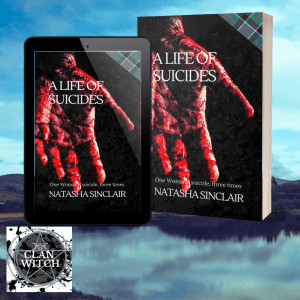
The second book was fiction, published later that year; a trio of short stories all with the central theme of one character’s suicide; A Life of Suicides. Fiction, yes. But it’s not gratuitous, exploitative or designed to shock. No, I will admit here, publicly to you despite my deep discomfort. I have sat on that rock, stood on the windowsill, waded into the loch to my knees. I’ve played out those suicides and many more of ‘my own’ in graphic detail. I’ve done it all but the execution.
I am a survivor of suicide — a survivor of myself. In many ways, ‘Rebecca’ is me. I admit it, and I am not ashamed. The subject of suicide is another riddled with shame and ignorant judgement. I’ve heard it all — it’s for the ‘weak’, it’s the ‘easy way out’, a ‘sin’, it’s a ‘coward’s way’ — is it?
Try it?
It is no coward’s way. Nor is it the easy way out or any other ignorant sentiment. Something that cut a little deeper than it should was some reactionary comments from ‘friends’ who couldn’t read such a piece because it would be too uncomfortable, too ‘triggering’. Honestly, being so intimate, this was akin to “You can talk to me” then being shut down cold if ever attempted. Talk, but not about that!
This struck me again as to how ill-equipped many are to genuinely support someone who is deeply depressed or/and suicidal. It’s easy to say ‘reach out’, ‘I’m here for you’, ‘you can talk to me’, until someone does… again, I know this from experience.
A number of my short stories have been published since then. I enjoy the freedom of frolicking in the horror field. Not all of my work is steeped in these notes, but there are crumbs here and there, no doubt. Writers so that we scatter pieces of ourselves — blood spills into each story, even the more extreme, fantastical and unlikely of places, sometimes just a light aroma, but it’s there.
Moving on again toAsylum Daughter. The novella — the events, the characters, the entire story is fiction. But themes sprinkled through this horror are strong elements of mental health, stigmatism, abuse, matriarchal control, and corruption.
True horror has nothing to do with gratuity and shock value. True horror is born of reality.
It’s March now, and I have some serious writing to do with a vivacious and magical red-headed horror queen. More blood to be spilt, and I have a phenomenal accomplice. And academic assignments to tackle — it turns out that I still love essay writing after all these years. They excite me.
I’m spiralling, but I recognise it, and I’m clinging on for dear life instead of planning my death today. I have to be strong for my family. They need me. And I realise that I have to be strong for myself too, even when I don’t always like her and it feels too selfish — mental health matters.
If you read this all the way… what is wrong with you?
Hahaha!
No, I actually mean — thank you.
Natasha )O(
— The misunderstood, depressed, arty type. Such a cliche! The Clan Witch.
Or what type of editing service would benefit my manuscript?
As a writer, I empathise with this. With so many variances to choose from and the difference in pricing, it can be tricky to decipher if an editor would benefit your project and for what type of editing service you should fork out hard-earned pennies.
To support this decision-making process, at Word Refinery, I offer clients the option of an Editorial Evaluation.
What should a client expect from an Editorial Evaluation?
For £0.01 per word, clients can submit their complete manuscript or a sample for Editorial Evaluation. The prose will be thoroughly analysed, considering: plot, setting, characterisation, voice/style, dialogue, and marketability
The Editorial Evaluation provides a writer (or publisher) with a solid understanding of what work a manuscript requires before publication through a detailed report. The client can utilise this advice and develop the manuscript independently or appoint a dedicated editor to support this work. This exercise helps clients present the best piece possible to the market confidently. Sometimes we need fresh eyes to iron out the kinks, refine the author’s voice and deepen the story.
I started writing this post at the beginning of December. Then it got parked because, you know, December hit!
The last two years have been an uncomfortable and strange kind of chaos for so many the world over. Few things have felt light. My three daughters’ birthdays all fall within nine days during the last month. December also marks my grandmother’s birthday and death. The latter happened when I was juggling having my youngest in NICU and protecting my still vulnerable toddler from the stark risks of RSV season. I couldn’t see her before she died. December always feels heavy with gratitude, pain, trauma, distress, anger, conflict; it’s all a dizzying soul ache and more love than I can handle. I don’t want to get stuck when I glance at the clock at certain times through those days, marking deaths and births; the past is reflected in the clockface. But I inevitably, subconsciously glance — it’s always one of those times. Words ring through my mind, with alarms, rushing and deathly silent moments, sensations my body still feels. Muscle memories of energies change everything.
My daughters had such great birthdays this year, even with this shitshow of humanity and how we deal with pandemics. That’s given rise to so much I thought was in the past. There are too many egos putting lives at risk — for arrogance, superiority complexes of conspiracy theorists who think they are somehow in the know, and governments’ superiority complexes; projections of elitism. I have little tolerance for many such things these days. It’s all egocentric. Ego, I wonder what the picture would be like without its existence.
Anyway, I had writing to tie up this month, before the year’s close — a few short stories at the very least. My focus is off-kilter still, and the hours are so very full. The final hours are closing in, and I’ve barely caught a breath.
Solstice has now marked the rebirth of light on this hemisphere, and I’ve been marking out intentions in blood and ink for the moons ahead. This week I will release the ashes of the year behind, putting light into the seeds that can only grow.
The stages of this ailment wracks havoc through my body.
Vexatious attempts to conquer; become me.
It began as all things do, a spring birth nipping exposed skin; testing the fragility and limits of the becoming.
Little by little tentative blooming begins.
Through kissed, bitten and hard pinched skin.
Assaults on the juvenile unrelenting.
More than hormones, chemical reactions take the blame.
Flora sprouts through the hardened dark, softening sporadic perimeters, lashed by sharp spring-sight-steeling-rays - momentarily monumentally blinding.
Once this is over, it’ll be ok.
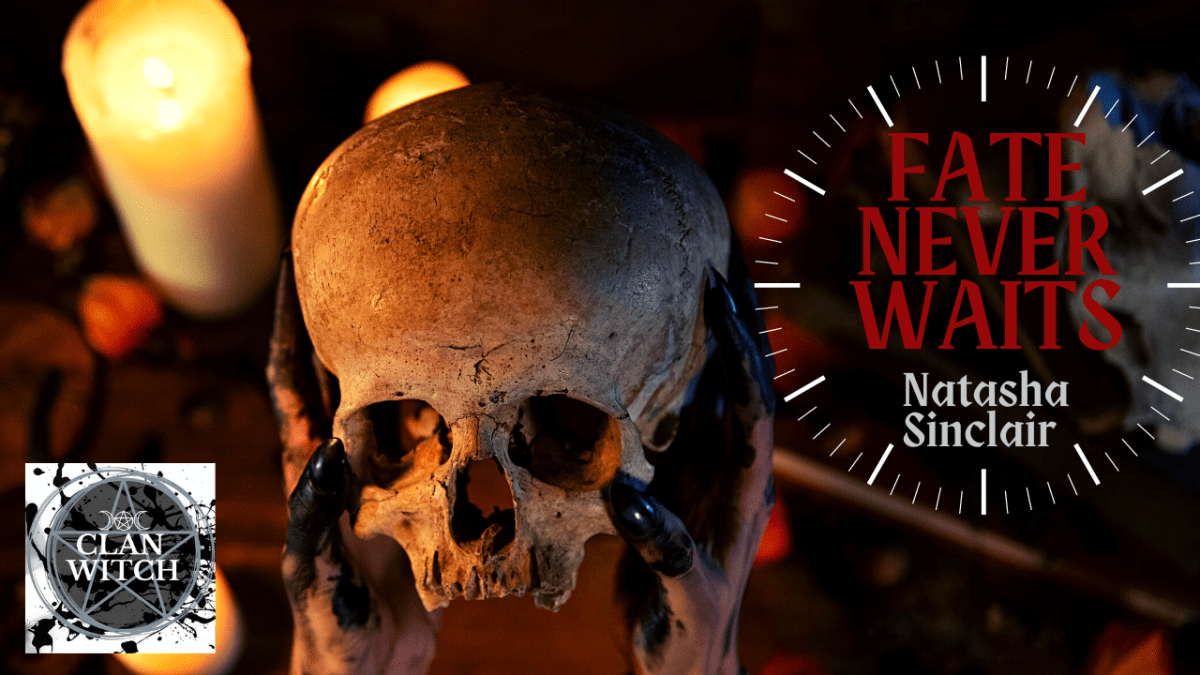
Fate awaits.

They said I had some years to change, some precious time before it was too late.
Wild horses tear thunderous lumps through my soul; stallions each gunning for control.
Endless war rages within; the battle of self.
The therapies, the drugs and carefully selected words.
None ever any good.
The rampant rage is on, no war is without bloodshed; relieves the pressure of dismissed, displaced youth.
One must be real if they bleed; alive even in fantastical Maiden daydreams.
Suppression of the whispering thugs a delicate parity; equilibrium of what?
One cannot be sure - what if there is no cure?
Fate never waits.

Time, she keeps flowing through the bottomless glass.
Smoke without mirrors; dense, dancing swirls too black to pass.
Maidenhood ends, scar tissue thickens not mends.
Strands tangle in knots unseen through the haze of smoked days.
The Mother is one which cannot be skipped; the fear of becoming the Maiden’s own too hulking to dismiss.
Summer’s heat pelts down like the belt; sporadic lashings through which you must stand, never waver.
Fane unfeeling through the weeping welts.
So many mistakes, learning aplenty with a war thirsty wraith wailing shrieks in the ear. Overshadowing youth whispers, the memory of what was terrorising for so long, now a quiet comfort of historical storm.
The dust of the battles must eventually settle; submit, surrender.
Breathe it through; she’s coming for you.

Autumn bleeds summers setting into winters webbed ebbing.
A witch must relinquish the right to fulfil natural potential when the hourglass quickens towards inevitable expiration.
The time of the Crone dawns and with it awash with insight previously unknown.
Suddenly the wonder uncoils and monstrous ponderous mysteries are starkly revealed before the last breath is sealed.
Fate never waits.

Any one day can be the day she whispers.
The voice of all time and fate entwined;
“Dear daughter, you are too late. You’ve relinquished your fate.”
Fate never waits.
It can be picked up from Smashwords at that price between now and December 10th!
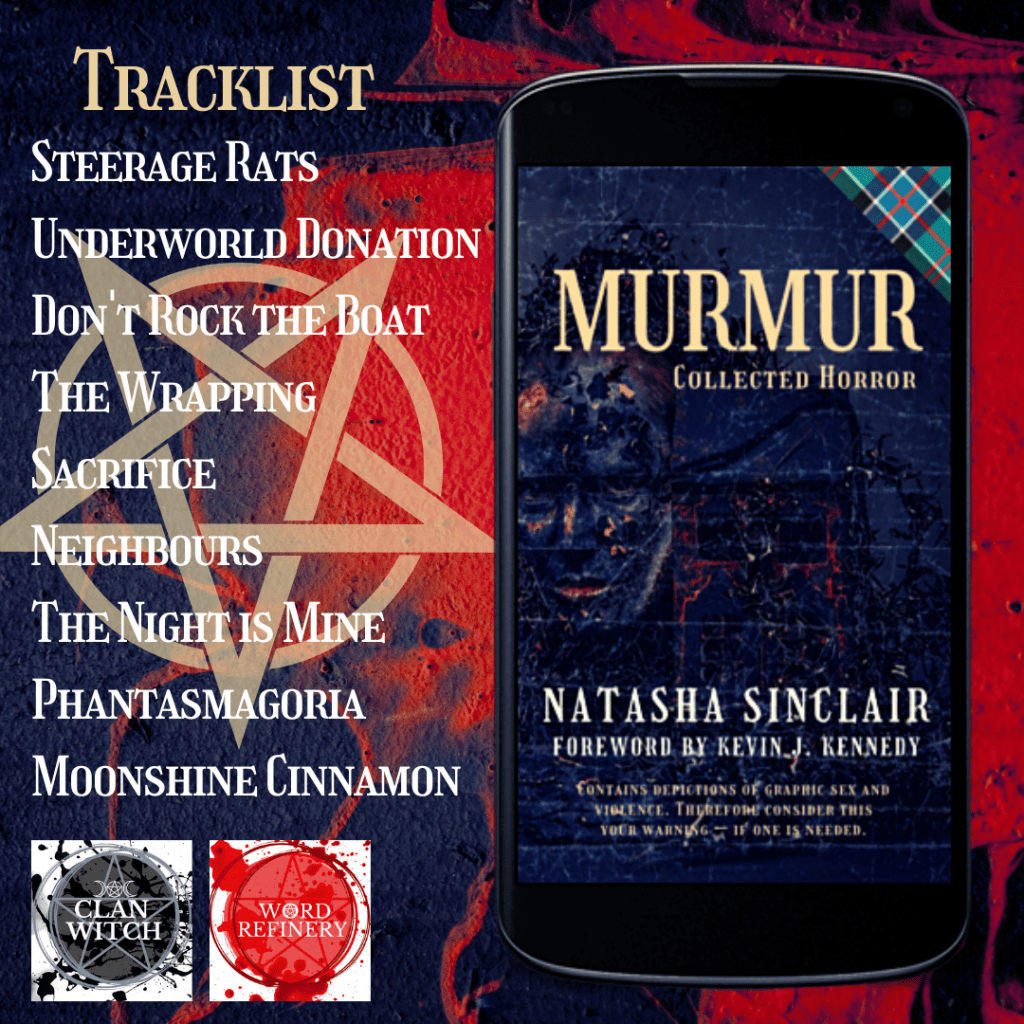
I enjoyed writing each of the stories in this book. Each piece is followed by a few words about how it came to be. If you pick it up, I hope it brings you some entertainment!
When propositioned to create a story based around an urban legend, I was keen to offer a Scottish framed piece for consideration to this popular anthology theme. With an abundance of folk tales around Scotland and its many isles to inspire, I decided to dip into what I’m more intimately aquatinted — Glasgow. The central belt is brimming with inspiration. Three urban legends immediately sprung to mind. However, when I began drafting a story, I hopped, unfocused between tales and my first attempt got pinned as I had a stronger pull towards another.
Children playing in Glasgow’s Southern Necropolis. Circa early 1950’s
Much can spiral from classroom whispers and the imagination and zest of children. The inspiring legend of The Gorbals Vampire (or Ir’n Jenni), which spawned hysteria, climaxing in September 1954, and Alexander Anderson’s poem, Jenny wi’ the Airn Teeth, led the way for my creation. The Gorbals Vampire incident brought much debate about censorship of literary material (from poetry in the classroom to imported American comics) to impressionable children, and the Children and Young Persons (Harmful Publications) Act 1955 was passed through the House of Commons. Censorship is an area that is still very much debated today through the arts, worldwide — and not just with children in mind — this deepened my draw to this particular event.
Sunday Mail article 26th September 1954
My story, City of the Dead, was created as a nod to the notorious child vampire hunt of 1954 in Glasgow’s Southern Necropolis and Alexander Anderson’s poem from 1870. I love a good cemetery setting (typical goth, I know), so taking on The Southern Necropolis — which is home to over 250,000 buried souls was a lot of fun. I enjoyed writing this one. It’s always satisfying to weave regional dialect through a piece — bringing authenticity to the characters and reverence to the urban legend’s roots.
I won’t share spoilers beyond the base inspiration for my own story, as City of the Dead was submitted and subsequently accepted by Crimson Pinnacle Press for their Twisted Legends anthology!
The book received a high volume of submissions of twisted takes on urban legends from around the globe. The editors chose the top 13 offerings, and I am thrilled to have made the cut, alongside; Thomas R Clark, Lance Dale, Lance Harkers, Stephen Johnson, Ruthann Jagge, Jae Mazer, Jason Myers, Pamela A. Parish, Chris Puzak, RJ Roles, Vic Kerry, and Robb T. White.
Graphic created by Lance Dale.
Having been published in Crimson Pinnacle Press’ (invite only) inaugural anthology, Fairy Tale Horrorshow, I am ecstatic to be accepted into their pages once again! The duo who run the press, RJ Roles and Jason Myers, certainly have the eye for unique, quality indie horror, I promise you that! You’ll have to pick that up to read my take on this urban legend from Scotland and the 12 other twisted legends, launching October 25th. The eBook pre-order is live.
Thanks for reading!
In addition, if you’d like to listen to me reading Anderson’s poem the video is below.
Let’s consider that the creative mind and depression are synonymous. This is not a new idea — even if depression is regarded as a disease of modernity. It doesn’t take much to cast back to common references of such stereotypes as the ‘mad scientist, ‘tortured artist’ throughout human history — there has to be some inherent truth in the link. Personally speaking, there’s a maddening synchronicity to weaving art through mental ill-health. I loathe embracing this affliction as an illness; it’s an evil twin that’s attached itself to my core. But there’s no wavering — it is an illness. Maybe one of the soul as much as the brain. It torments the creative mind like a captor. For some of us, the relationship becomes a sort of Stockholm syndrome, an inescapable symbiotic horrorshow. I abhor it, maybe as much as I was conditioned to despise myself. Then I wonder if that instinctual over-analytic contemplation, the drive to understand and develop answers and solutions — a catalyst of change, a fuel of creation has some essence that fills a need — even when it leads to nowhere on the external. With depression’s tightening hands around life and art’s (those too are synonymous) throat and no words, shapes or colour come in any sort of sense, with the abandon of insanity. And the heavy, sticky, tar-like stuckness of it. With maddening, head-bursting introspectiveness and reactionary to stimulus, even of a thoughtless kind. Those stimuli can be hardest to shake — that processing of depression, like art, can be sickeningly narcissistic to an observer. Beneath that appearance, it can be more from an altruistic nature, one that can never find peace from being consumed by so much needless suffering for deplorable reasoning. An internalised, ever-raging war of sadness, anxiety and frustration and their armies. There’s a kindred spirit amongst those who suffer (I’m not keen on that word too, though it is accurate) at the hands of this demon. Depression; the stalker. It certainly tortures and bates like one. Of course, I point the finger at depression itself, but maybe that creative drive is too a demon of sorts; a need, compulsion, addiction. That need, that drive can be as desperate as the most basic needs to survive. Creativity is the thirst of the soul that demands quenching. While there’s no hard, scientifically proven link that I know of (I could be entirely wrong), its long-running prevalence cannot be denied. Some of the most cherished artists have made their afflictions known; undeniable tales slithered through brush strokes and words and musical notes, pouring blood through ink. Van Gogh, Plath, Woolf, Fitzgerald, Cobain, Staley, Cornell… there’s an endless parade of those who’ve broken into utter submission to their affliction, how many more unknown names bound together alone? Scattering pieces of themselves before their demise, with vultures pecking at the bones for generations after, or they blow away ashes to the wind… forgotten. There is a desperate need to live in some form of immortality living in loops and repeats, words cascading through eyes in minds; breeding and living on when that mind has long ceased being. Depression when it dances with suicide and for those whom it jumps into bed with, it’s an oxymoron in a creative who scatters seeds that, for some outlive, that immortality craving, notes from the grave, the cry for help or the declaration of: this is just how it is, beneath it all. Many years ago, a doctor (or therapist) remarked how maybe there was no way out for me, that my deep dark maddening downward spirals of self-torment and heavy sadness, the depression and suicidal ideations and (at times) planning, were a part of me… Victim blaming? Professional incompetence? She (like several) didn’t know how to help. I’m a hopeless case. Miraculously, therapy didn’t push me straight off the tightrope. I embraced that message to a degree, though. Therapy (for me) was utterly useless. (For some of those, the mentally unwell are fodder to their ego-mania of saviour, even if just in prescribed works, it lines their bellies enough.) More than that embracement, it added to the weight of hopelessness — even with professional intent, sometimes there’s no one to help but oneself — in that, I’ve had no choice in the toughest of times. I sometimes lull around the button. The whisper has never ceased, it bides its time; the one that says, “you’ve fought long enough”, “waited long enough”, “it never gets better for long”, “just give up!”, give in”, “finally, make the pain stop….” Lifelong mental health battles have steeped into my bones, I’m almost convinced it’s the culprit for a multitude of ailments. Dancing with physical pain like a lover, spawning one chronic pain to another. I have my tethers, strands that force my nostrils just above the murky water, choking and gagging with that whisper, taunting to submit to the deep. It’s interesting, though — I mulled over this recently whilst amid a major dip. It’s funny the terms we use for mental ill-health, there’s a flippancy that almost minimises this beast’s brutality. When I hear the buzzword ‘wellbeing’, I feel the same way — it’s wishy-washy, a platitude coined by the utterly clueless desperate to appear to care. A painfully overused marketing ploy. Along with the flippancy, there’s still such stigma for when mental ill-health is discussed sincerely and from places of genuine life experience — not just a mere observer. Not that I dismiss the validity of good, unbiased observations! As a highly sensitive introvert type, I’m an observational questioner — constantly to the point of unbearably annoying. Back to the point — yes, I’m almost sure the creative brain (certainly, my own grey-matter) is in an ever-constant dance-off with depression and her tormenting sisters… I’ve never been a good dancer, they toss me around like dead meat.













 Clan Witch & Word Refinery